学校主页
书记信箱
院长信箱
法甲线上买球
学院概况
学院简介
现任领导
机构设置
历史沿革
学院荣誉
党建工作
党建动态
支部风采
党风廉政
学习园地
师资人才
教师队伍
杰出人才
教授风采
导师风采
师德师风
学科建设
专业建设
实验室建设
科学研究
科研动态
学术活动
科研团队
科研平台
科研成果
教学管理
本科生教学
研究生教学
专业认证
质量工程
教学督导
教学基地
规章制度
基础物理研究中心
中心概况
中心人员
新闻动态
学术活动
科研成果
职工小家
文件制度
工会活动
招生就业
本科生招生
研究生招生
就业指导
就业招聘
就业基地
团学工作
学工组织
思政教育
科技创新
文体活动
奖贷资助
心理健康
医保安全
规章制度
校友工作
校友风采
校友动态
校友名录
毕业合影
院务公开
党务公开
院务公开
下载中心
党建工作
教学工作
科研工作
研究生工作
实验室工作
学生工作
工会工作
新闻
动态
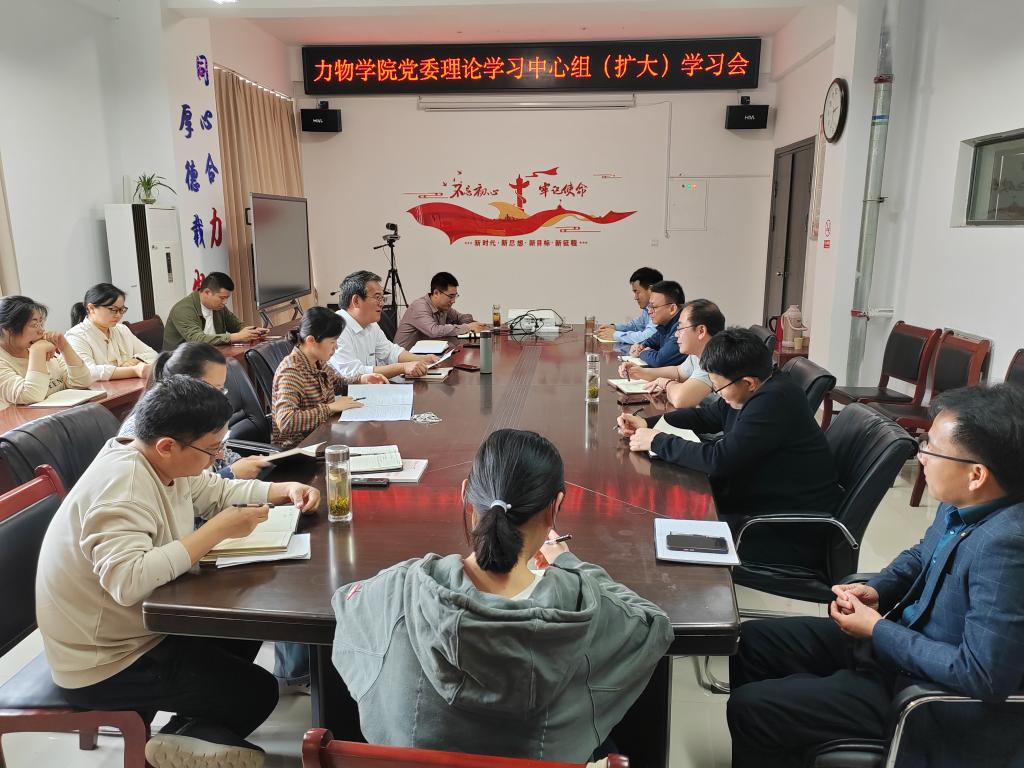
法甲线上买球召开党委理论学习中心组(扩大)学习会暨党纪学习教育部署会
[04-16]
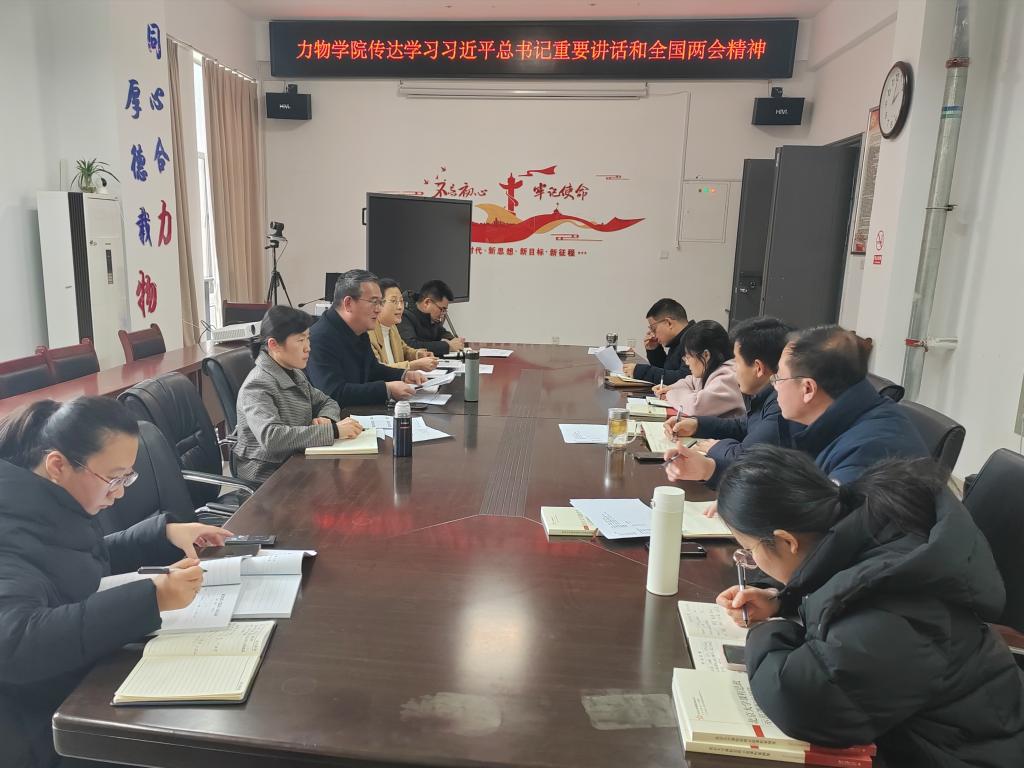
法甲线上买球党委传达学习习近平总书记重要讲话和全国两会精神
[03-19]
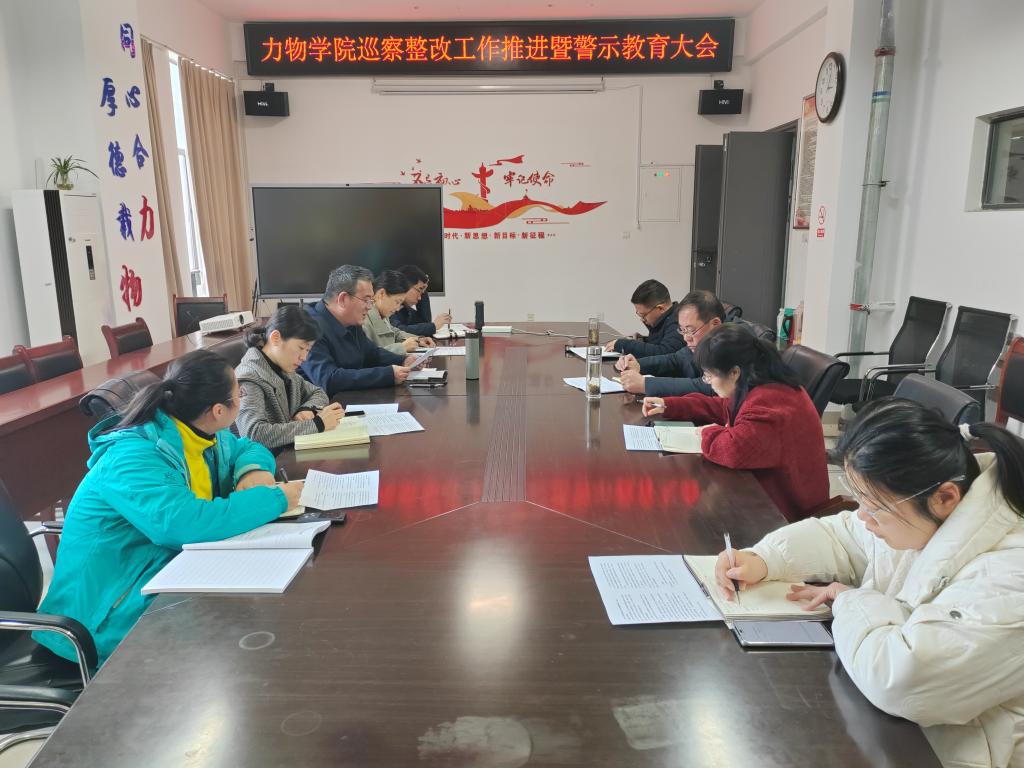
法甲线上买球召开巡察整改工作推进会议暨警示教育大会
[03-15]
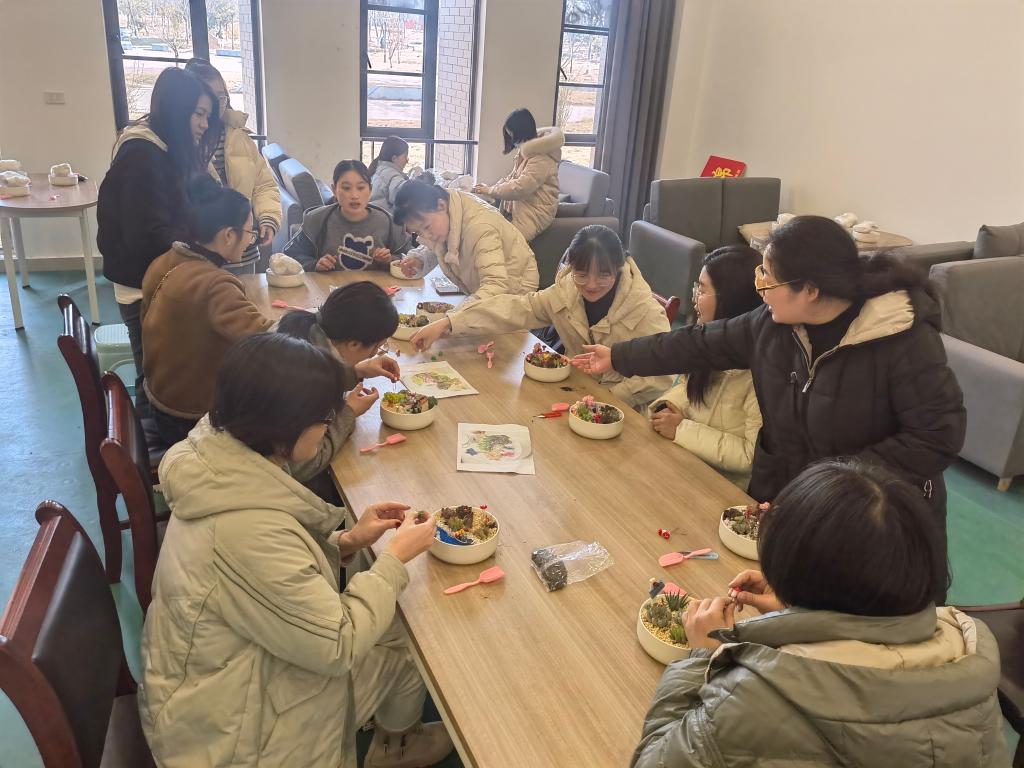
法甲线上买球分工会开展“诗情花艺•庆三八”多肉植物搭配盆栽活动
[03-12]
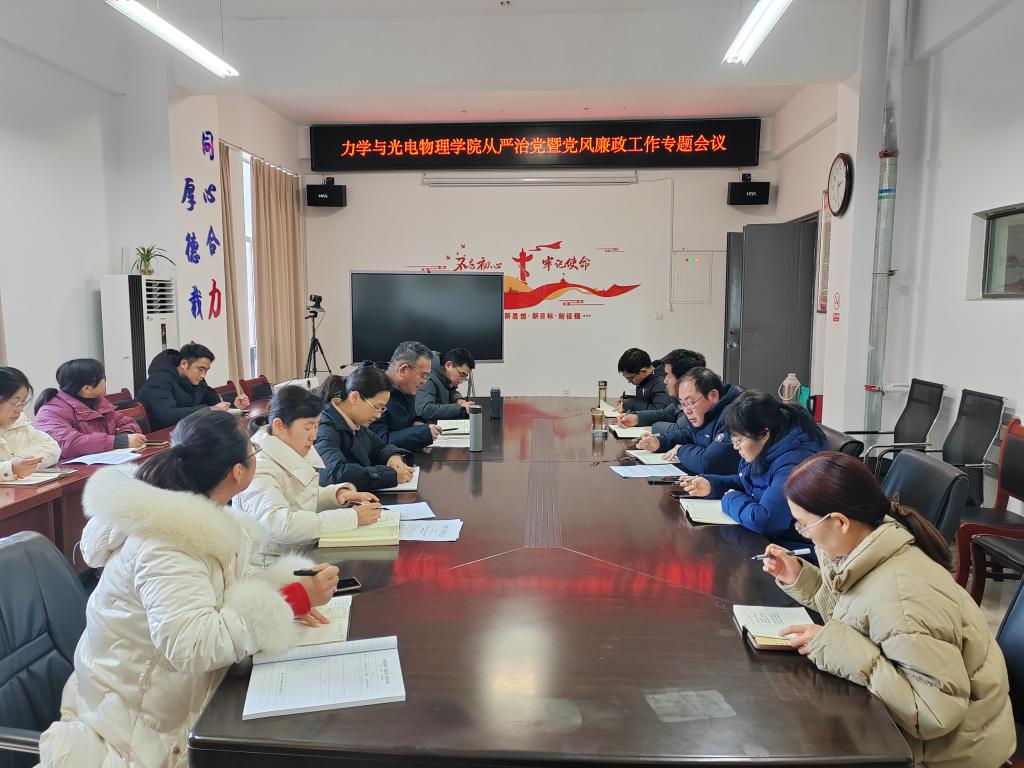
力学与光电物理学院召开2024年全面从严治党暨党风廉政工作专题会议
[03-06]
“科普进校园,携手向未来”——力学与光电物理学院赴孙疃中学开展“科普进校园”活动
04-24
法甲线上买球举办第六期“青年学堂”学术交流会
04-22
青春思政课第十五季:探讨科学创新,领略物理之美
04-20
法甲线上买球召开征兵工作推进会暨征兵重点对象政策宣讲会
04-19
南京大学马永亮教授应邀来法甲线上买球做学术交流
04-17
法甲线上买球召开党委理论学习中心组(扩大)学习会暨党纪学习教育部署会
04-16
法甲线上买球举行招聘座谈会
04-16
通知
公告
院务
公开
04-22
2024年法甲线上买球研究生复试拟录取名单公示(第二轮调...
04-15
2024年法甲线上买球研究生复试拟录取名单公示(第一轮调...
04-07
力学与光电物理学院2024年硕士研究生调剂公告
04-03
2024年力学与光电物理学院研究生复试拟录取名单公示...
03-03
2021年3月3日院务会会议纪要
03-01
法甲线上买球2020年工作总结
02-24
力学与光电物理学院学术委员会议事规则(2020.12.03...
02-23
力学与光电物理学院委员会“三重一大”制度实施细则...
实验平台
大学物理实验中心
基础力学实验中心
光电物理实验中心
工程力学实验中心
学科平台
安徽理工大学矿山工程力学与支护技术研究所
快速导航
师生服务热线
力物数据
力物光影
本科生招生网
研究生招生网
专题专栏
学习宣传贯彻党的二十大精神专题网
教学质量与教学改革工程
法甲线上买球党务院务公开专栏
党建
工作
团学
工作
法甲线上买球召开党委理论学习中心组(扩大)学...
04-16
法甲线上买球党委传达学习习近平总书记重要讲话...
03-19
法甲线上买球前往安徽楚文化博物馆开展主题党日活动
03-16
法甲线上买球召开巡察整改工作推进会议暨警示教...
03-15
力学与光电物理学院召开2024年全面从严治党...
03-06
青春思政课第十五季:探讨科学创新,领略物...
04-20
法甲线上买球召开征兵工作推进会暨征兵重点对象...
04-19
大手拉小手,点燃科学梦——法甲线上买球开展“...
04-09
以“演”筑防,以“练”为战—法甲线上买球开展...
03-29
法甲线上买球“一站式”学生社区|召开学院学生会...
03-07
教学
管理
就业
信息
法甲线上买球召开2023-2024第一学期期末教学工作...
01-15
力学与光电物理学院开展课程思政示范课建设...
01-05
力学与光电物理学院开展“三助一辅”教师考核会
01-05
法甲线上买球开展新进教师岗前培训试讲考核
12-21
法甲线上买球开展新进教师岗前培训试讲考核
12-21
郑克宝 | 超一本线112分录取光电信息科学与...
03-01
万名学子聚安理,共启人生新航程|学校举行2...
02-27
自信自强安理梦 院士邀你同行 | 致2023年高...
02-27
喜报!我院学子在A类学科竞赛首获全国一等奖
02-27
法甲线上买球教师在声学超构材料与声场调控领域研究...
06-12
学科
建设
科研
工作
法甲线上买球召开2024-2026贵重仪器设备购置入库...
12-11
法甲线上买球召开2024-2026贵重仪器设备购置入库...
12-11
法甲线上买球召开“国家级一流课程申报”报告会
04-16
法甲线上买球召开省级一流专业建设进展汇报会
03-17
法甲线上买球开展实验室安全隐患排查工作
03-07
山东大学陈杰智教授应邀来法甲线上买球做学术交流
03-27
法甲线上买球顺利召开人工微结构光声调控物理与...
11-26
法甲线上买球邀请薛长国教授作科研工作经验分享会
09-05
我院光电物理系陈华俊教授团队在复合微纳系...
06-01
中科院等离子所淮南新能源研究院应邀来力物...
04-14
宫能平
经来旺
圣宗强
高娟
卢小雨
王兵
李洋
董春亮
陈昌兆
李学超
陈华俊
潘桂侠
吴宏伟
校内管理系统
电子政务
本科生教学管理信息系统
研究生管理信息系统(教师)
研究生管理信息系统(学生)
学校邮箱
教学科研平台
超星尔雅学习平台
智慧树网络教学平台
省部级科研平台
采动国家重点实验室
煤矿安全高效开采教育部重点实验室
高等研究院(合肥)
省内高校
中国科学技术大学
合肥工业大学
安徽大学
安徽师范大学
安徽农业大学
安徽医科大学
安徽工业大学
安徽建筑大学
安徽财经大学
淮北师范大学
行业高校
中国矿业大学
中国矿业大学(北京)
河南理工大学
西安科技大学
山东科技大学
辽宁工程技术大学
湖南科技大学
中南大学
河海大学
北京交通大学
上海交通大学
政府机构
国家应急管理部
国家教育部
国家科技部
安徽省教育厅
安徽省科技厅
安徽厅人社厅
安徽省自然资源厅
校内直通
新闻资讯
校友总会
财务处
教务处
自然科学处
发展规划处
实验设备处
公共服务
校一卡通
校历卡
图书资料
KU游体育
|
电竞下注平台(中国)有限公司
|
【乐鱼在线登录】中国有限公司
|
江南娱乐(中国)股份有限公司
|
千亿体育
|
博鱼
|
【开云竞猜网】|中国有限公司
|
乐动注册(中国)有限公司
|
十大网彩平台
|